
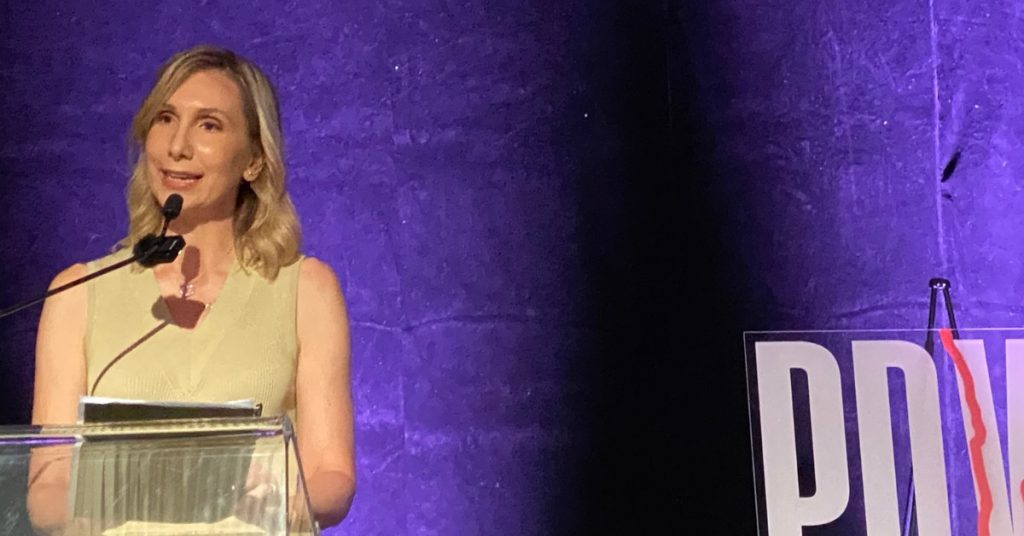
Held from 19 to 26 March, Perth Design Week 2026 brought together designers, policymakers, artists and industry leaders to explore a shared question: what kind of city – and identity – do we want to create?
Across a series of events – including the official launch, a deep dive into apartment living and a powerful conversation on cultural spaces – a clear theme emerged: Perth is at an inflection point. The choices we make now about design, density, culture and sustainability will shape not just our built environment, but who we are as a community.
Members from the Committee for Perth team were delighted to attend a number of events throughout the week and share their learnings below.
A powerful opening: identity, inclusion and design with purpose
The week opened with a thought-provoking Welcome to Country from Noongar elder Emeritus Professor Dr Len Collard, who grounded the conversation in a simple but profound question: who do we want to be?
By candidly reflecting on Australia’s unresolved past and the need to move forward together, he reframed identity as something actively designed – not inherited. His message resonated throughout the week: the future of Perth will not be defined by old binaries, but by a shared, evolving Australian identity shaped with intention.
This tone carried into the opening panel, where speakers challenged traditional approaches to design. A key shift emerged: moving from designing for people to designing with them. Whether in urban planning, health, or product design, user-centred processes are becoming essential – mapping real human experiences and embedding them into outcomes from the outset.
At the same time, panellists emphasised the importance of holding onto what makes us human. As artificial intelligence becomes more embedded in design processes, it must remain a tool – not the designer. Human experience, emotion and context cannot be outsourced.
Sustainability was another central thread, particularly the transition to a circular economy. Rather than “less bad” design, the focus is shifting toward regenerative systems that eliminate waste and retain value. The challenge, as highlighted, is not technical capability – but our willingness to embrace the discomfort of transformational change.
Rethinking density: living large in smaller spaces
The “Designing apartments” discussion tackled one of Perth’s most pressing urban challenges: how to deliver density in a way that enhances liveability.
Despite growing momentum from State Government initiatives, such as the establishment of the Transit-Oriented Development, barriers remain. Cultural resistance, planning constraints and outdated perceptions continue to frame apartment living as inferior. Yet the panel including Hon John Carey, Jessica Berry, Kellie McGivern, Liam Wallis, Megan Cordin, Michael Fotis and Sean Morrison made a compelling case for change.
Done well, density delivers significant benefits:
• Apartments can use up to 40–50% less energy for heating and cooling
• Medium-density development can support vibrant, connected communities
• Well-designed spaces can improve accessibility and support ageing in place
The discussion also pointed to a broader truth: buildings alone won’t shift sentiment. Communities need to see tangible improvements – better public spaces, transport, walkability and amenity – alongside new developments.
Ultimately, the panel called for a mindset shift. Good design should not be a luxury; it should be accessible to everyone. And if Perth is to grow sustainably, more voices – from industry, government and the community – must actively advocate for smarter density.
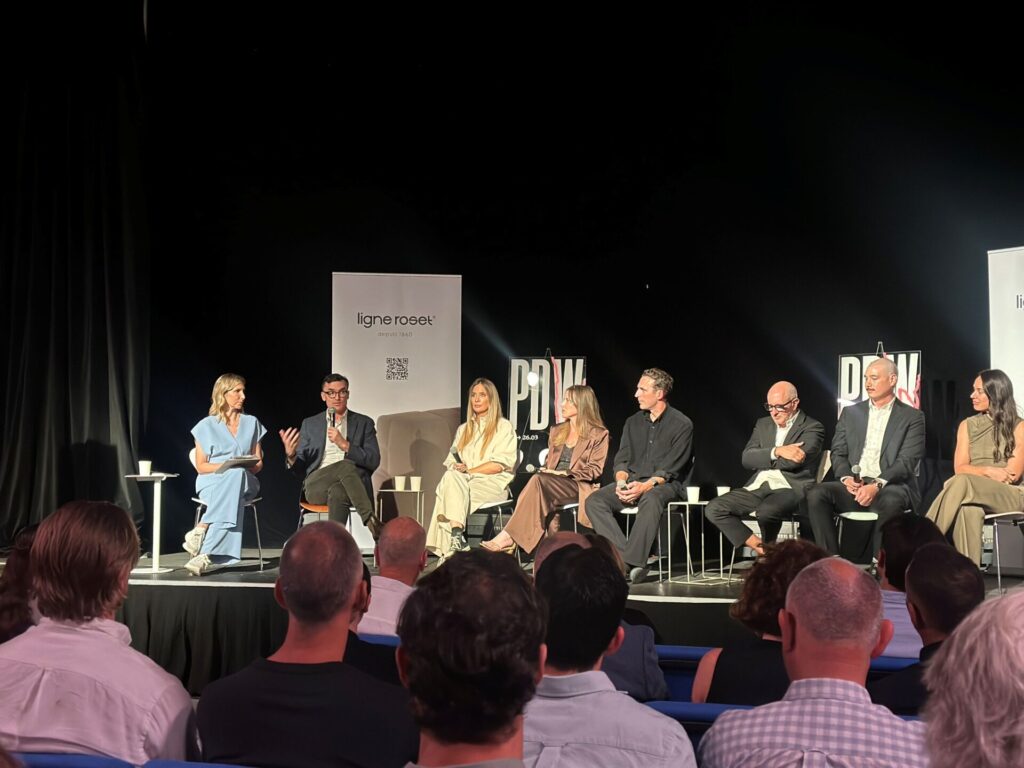
Designing spaces for culture: unlocking Perth’s vibrancy
This session explored how cultural spaces – formal and informal – shape the life and identity of a city.
From major institutions to laneways, empty offices and pop-up venues, the message was clear: anywhere can be a cultural space. The challenge is enabling it.
Panellists highlighted several barriers, including restrictive regulations, funding models focused too narrowly on attendance and a lack of coordinated vision. At the same time, there was strong optimism about what’s possible.
Key ideas included:
• Adaptive reuse of existing buildings to unlock underutilised spaces
• Flexible design that allows spaces to evolve with community needs
• Digital integration, enabling broader participation and connection – particularly with remote Aboriginal communities
• Embedding Indigenous culture authentically, not as an add-on, but as a foundational layer in design
A recurring theme was the need to shift how we value arts and culture. With average artist incomes sitting at just $23,000 per year, there is a clear disconnect between the cultural and economic value the sector generates and the support it receives.
As one panellist noted, Perth’s identity has long been shaped by a “CBD” model centred on business. Reframing this language – and the priorities behind it – could unlock a more vibrant, culturally rich city.
Looking ahead: designing Perth’s next chapter
Across the three events we attended, a unifying idea emerged: design is not just about buildings or products – it is about shaping systems, experiences and identity.
Perth has a unique opportunity to define its own path. From embracing circular economy principles and rethinking density, to elevating arts and culture and learning from Indigenous knowledge systems, the foundations are there.
But real progress will require alignment – between government, industry and community – and a willingness to ask difficult questions.
As raised at the very beginning of the week, the challenge is both simple and profound:
What future do we want – and who do we want to be?
Perth Design Week 2026 suggests the answer lies in designing it together. We look forward to experiencing the program in its expanded capacity next year.
These views are those of Committee for Perth and are not affiliated with, nor paid for by, Perth Design Week.